Dear Romance, Why Are You Like This?
There’s this long-standing belief we’ve all quietly agreed on: books are always better than movies. Period.
But then romance walks in and complicates things beautifully.
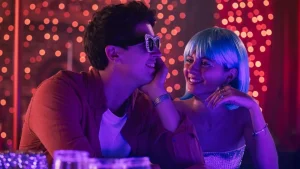
I recently read People We Meet on Vacation and then watched its screen adaptation, and I found myself sitting in that deliciously confusing space between the two. Because romance doesn’t just translate, it transforms.
When you read a romance, you inhabit it. The words linger. A pause stretches into something meaningful. A glance carries history. You don’t just see Alex and Poppy, you feel them, almost like they’re stitched into your own emotional memory.
And then you watch it.

Suddenly, they’re real. They have faces, voices, expressions you didn’t imagine but now can’t unsee. Their chemistry becomes something observable, almost psychological. You start noticing the silences, the almost-touches, the things left unsaid but deeply felt. It’s no longer just imagination; it’s interpretation.
But what truly stayed with me wasn’t just the medium; it was them.
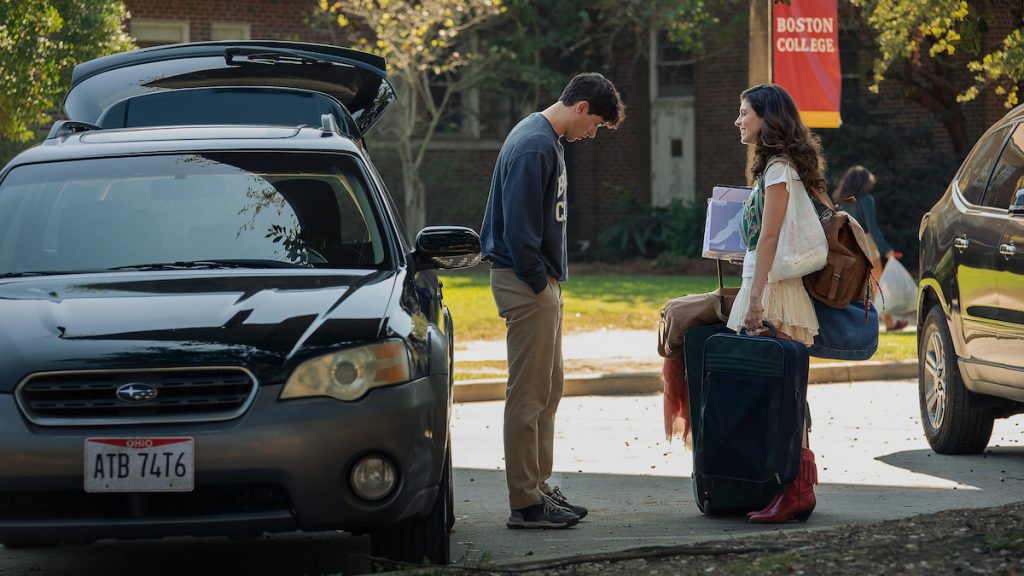
We’ve all grown up hearing that best friends rarely make good lovers. And yet, Alex and Poppy quietly challenge that idea. From the very beginning, there’s a spark, but more importantly, there’s comfort. That rare, unfiltered comfort where you don’t have to perform.
Alex gets to be Alex.
Poppy gets to be unapologetically Poppy.
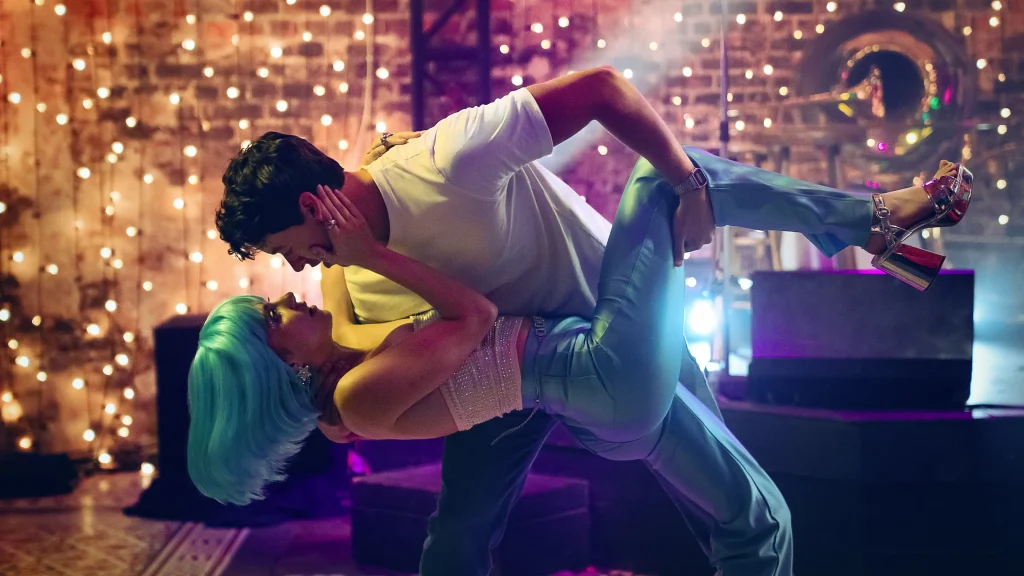
And that kind of ease is not common. It’s the kind of connection that feels like luck, like you’ve stumbled upon your one shooting star in a sky full of maybes. The kind of person around whom you can be your strangest, most unedited self and still feel completely at home.
Maybe that’s why, even when life pulled them in different directions, even when other people entered the picture, they kept returning to each other. Those annual trips weren’t just vacations; they were anchors. A quiet, stubborn choice to hold on to something that felt right, even when everything else was uncertain.
Now, let me be honest, I’m currently deep into my Emily Henry phase, so the book absolutely lived up to every expectation. It’s warm, layered, and emotionally indulgent in the best way.
The film, on the other hand, did something different.
The casting felt right. The essence of Alex and Poppy was there. The chosen scenes, the visual storytelling, it all worked. And Netflix, of course, knows exactly how to keep us hooked, dropping those deleted scenes around Valentine’s like little emotional breadcrumbs we can’t resist.
And yet…
There was a quiet dissatisfaction.
Because a film, by nature, has limits.
It couldn’t hold all the emotional chaos, the slow-burning tension, the intricate push and pull they put each other through. Some of those deeply felt, almost aching moments from the book didn’t quite make it to the screen. It felt shorter than it should have been, not just in duration, but in emotional depth.
But here’s the paradox.
Even with that, there was something incredibly fulfilling about seeing them. Watching Alex and Poppy exist in the same frame, in real spaces, with real pauses, it added a different kind of closure.
So no, I don’t think this is about choosing one over the other.
Because the book makes you fall in love with the feeling,
and the film makes you fall in love with the people.
And sometimes, the heart wants both.