Off-Campus: 14 Major Differences Between the Series and the Book That Took Me by Surprise
If you binge-watched Off-Campus and assumed the series closely follows the book, I have news for you—it really doesn’t.
While the show captures Hannah and Garrett’s banter, chemistry, and emotional pull beautifully, several plot points, emotional arcs, and character dynamics are changed—sometimes subtly, sometimes dramatically.
And strangely enough? Despite loving the book, I ended up preferring the series.
Here are the biggest differences that genuinely surprised me.
1. Hannah and Garrett Do Not Meet in the Shower
One of the show’s most iconic scenes—the awkward, chaotic shower encounter—never happens in the book.

Instead, Hannah and Garrett meet in class after Hannah drops her books. Garrett helps her pick them up and notices her excellent grades, which later motivates him to seek tutoring.
The show opts for instant chemistry. The book chooses slow realism.
2. Garrett Has to Work Much Harder to Convince Hannah to Tutor Him
The series moves fairly quickly into their tutoring arrangement.
In the novel, Garrett spends much longer convincing Hannah. Their dynamic develops gradually, with more emotional groundwork before she agrees. Infact, before agreeing to tutor him, Hannah and Garrett share a wholesome conversation in Garrett’s car when he offers to drive her home after a party.
That slower pacing makes the shift from irritation to attraction feel richer and more earned.
3. Hannah Doesn’t Own a Bicycle in the Book
The series gives Hannah her signature campus-girl energy with the bicycle.
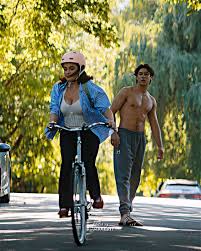
Book Hannah doesn’t own one. She borrows Grace’s car occasionally, and Grace also has a more consistent presence in Hannah’s everyday life.
It’s a small change, but it subtly reshapes Hannah’s independence and social world.
4. Hannah Kisses Dean, Not Logan
The jealousy dynamics play out differently.
In the show, Hannah’s “prove Garrett wrong” moment unfolds one way. In the book, she kisses Dean—not Logan.
It slightly shifts the social tension among the hockey boys and changes how Garrett’s jealousy lands emotionally.
5. Hannah and Garrett Bond Over Completely Different Things
One of the sweetest differences between the book and the show lies in how Hannah and Garrett begin connecting.

In the series, their chemistry is built through music, shared tastes, classic rock, and playful moments around films like Dirty Dancing. Their relationship feels cinematic, flirtatious, and aesthetically romantic from early on.
The book takes a much nerdier—and honestly, more intimate—route.
Instead of bonding over playlists and movie nostalgia, Hannah and Garrett bond over Breaking Bad. One of the first times they genuinely spend meaningful time together, they end up pulling an all-nighter watching the first season.
And strangely enough, it works.
That marathon becomes one of the earliest turning points in their relationship—the point where irritation slowly gives way to comfort, companionship, and attraction. It feels quieter than the show’s romantic montages, but also deeply believable: two people accidentally falling for each other while sleep-deprived and emotionally unguarded over a binge-watch session.
5. Logan Secretly Likes Hannah in the Book
The book quietly hints that Logan is attracted to Hannah and even admits it to Garrett.
The series shows this but doesn’t capitalize on his yearning, keeping the focus more firmly on Hannah and Garrett.
6. Justin Is a Football Player, Not a Musician
Hannah’s crush, Justin, undergoes an interesting adaptation shift.

The show makes him a musician, likely to align with Hannah’s artistic aesthetic.
In the book, he’s actually a football player.
A tiny change—but one that subtly alters the campus dynamic around Hannah.
7. Cass Has a Much Bigger Role in the Book
The series briefly introduces Cass, mainly around Hannah’s music. You might remember the music nerd who commented on her first composition when Daweed asked for ‘constructive criticism’!
The novel gives him a much larger emotional and artistic presence in Hannah’s life. Trust me, despite having a more prominent role here, he still invited all the hate.
His reduced role in the show honestly surprised me.
8. Garrett Takes Advice From Birdie, Not Dean
Before Garrett and Hannah become intimate, the series leans into locker-room conversation and has Garrett seek advice from Dean.
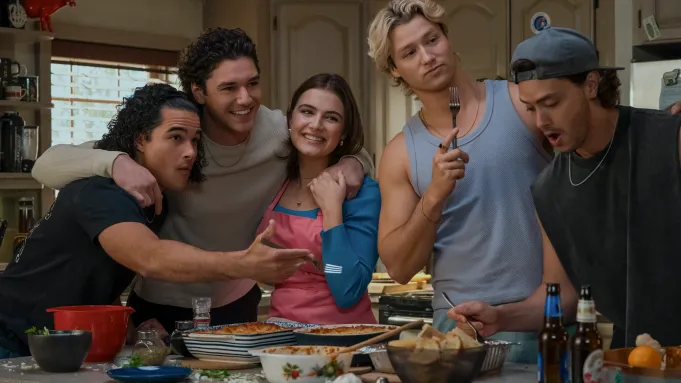
The book makes a softer, more vulnerable choice.
Garrett turns to Birdie—an older senior figure—for advice instead.
That small shift adds maturity and nervous vulnerability to Garrett’s emotional arc.
9. Dean and Allie Are Barely Being Set Up in the Book
This is one adaptation change I genuinely loved.
The series intentionally begins planting seeds for Dean and Allie’s future romance.
The book barely hints at it at this stage.
From a storytelling perspective, this was a smart television decision because it builds anticipation for future seasons.
11. Halloween Means Something Completely Different in the Book
This was one of the biggest emotional surprises for me.
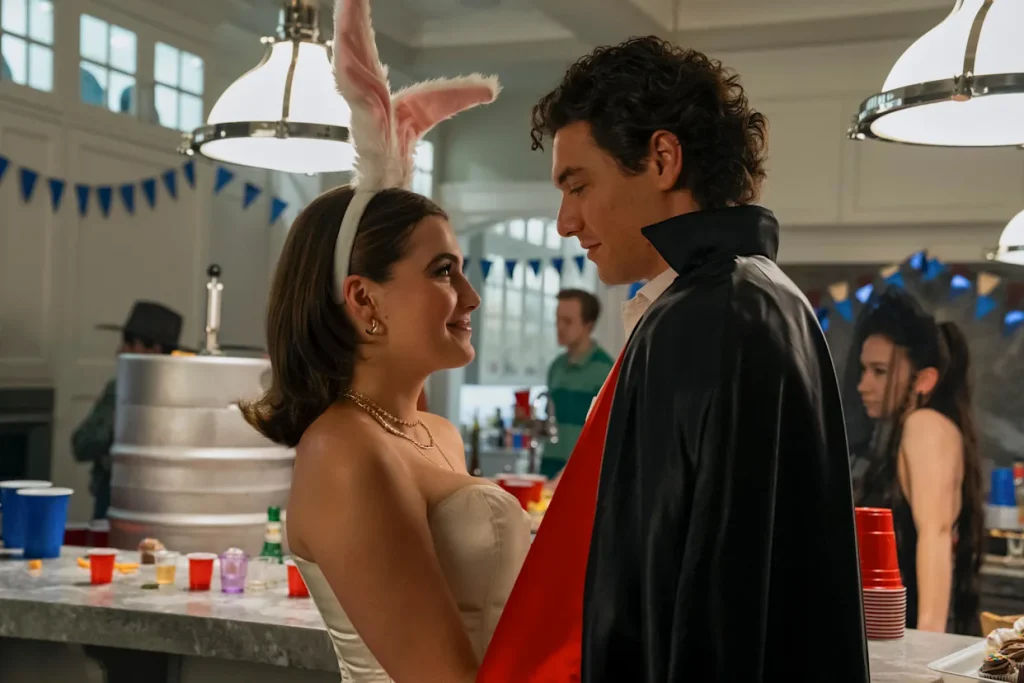
In the show, Halloween becomes a major romantic milestone. It’s dramatic, playful, chemistry-filled, and honestly, one of the strongest episodes because Hannah and Garrett essentially hard-launch their relationship.
The book gives Halloween a much sadder emotional weight.
Garrett hates Halloween because it marks the first time his father physically hit him. He avoids parties and prefers staying indoors.
What makes the moment beautiful is Hannah’s response.
Although she has plans involving Grace, she chooses to skip them and spend time with Garrett instead.
The show turns Halloween into celebration.
The book turns it into quiet emotional intimacy.
Both work—but emotionally, they hit very differently.
12. Phil Graham Is Much Scarier in the Book
The series tones Phil down considerably.

He’s still controlling and unpleasant, but quieter.
Book Phil feels genuinely threatening—verbally aggressive, intimidating, emotionally monstrous.
The softened portrayal makes sense for pacing, but it reduces some of the emotional heaviness surrounding Garrett’s trauma.
13. Cindy Staying With Phil Changes Garrett’s Anger
This is a subtle but important emotional difference.
In the book, Cindy eventually leaves Phil.
In the series, she stays.
That decision quietly intensifies Garrett’s emotional frustration because he’s forced to watch his mother remain inside the very environment hurting both of them.
It adds helplessness to Garrett’s anger—and honestly makes his emotional arc feel heavier onscreen.
14. Garrett Does Not Break Up With Hannah
This is probably the biggest emotional change.
In the show, the breakup lands differently.
In the book, Hannah is the one who ends things after Garrett’s father threatens her and makes it clear that Garrett could lose financial support if she stays.
That completely reframes the heartbreak.
Instead of impulsiveness or conflict, the breakup becomes a sacrifice.
And somehow… even more devastating.
Why I Surprisingly Preferred the Series
This may be controversial for book lovers, but after Harry Potter, this is probably one of the rare adaptations I genuinely ended up liking more than the book.
Not because the book lacks depth—it absolutely doesn’t.
But because the series made smart, emotionally relevant changes.
The themes feel sharper. The emotional beats are streamlined without losing heart. The future-season setup works beautifully. And certain adaptation choices genuinely improve the viewing experience.
Most importantly: the performances.
Belmont Cameli and Ella Bright completely sold Hannah and Garrett for me.
Their chemistry is genuinely sizzling.
By the time I read the book, I wasn’t imagining abstract versions of Garrett and Hannah anymore—I was picturing them. Their expressions, timing, teasing, yearning… everything felt believable.
Yes, the book gives you slower tension and richer emotional layering.
But the show? The show gave me themes that felt more resonant, changes that actually made sense, flawless performances, and chemistry so convincing that it quietly rewrote the reading experience.