Three Days in Jodhpur: A Wedding, a Fort, and Very Tired Shoes
I travelled to Jodhpur for a wedding—and what a wedding it was. Impeccably organised, bursting with colour, and reeking (in the best possible way) of celebration and jollity. From traditional Jodhpuri dishes to flavours that kept changing with every course, the wedding itself felt like a cultural immersion.
And then there was breakfast. Or rather, Rajasthan’s firm belief that the day should begin with sweets. Every morning, the first bite that entered my body was a laddu. A proper, unapologetic laddu. I hadn’t eaten mithai in months, and suddenly I was starting my day like royalty with zero restraint and maximum joy. Four to five days of such indulgence blurred meals into pleasure, pleasure into habit, and habit into the quiet realization that my yoga mat and I are no longer on speaking terms. Getting back to yoga now feels less like wellness and more like reconciliation. No regrets, though—discipline can wait; laddus cannot.
Between wedding rituals and conversations that stretched far longer than planned, we carved out some interim time to explore the city. And honestly, those stolen hours turned out to be just as memorable.
Day One: Palaces, Forts & A Very Patient Appetite
Umaid Bhawan Palace
We began with Umaid Bhawan Palace—and oh my God. The symmetry, the sandstone, the vastness of it all is quietly breathtaking. The museum offers fascinating glimpses into royal life, vintage cars, and the palace’s architectural journey. I only wished we had more time—time to sit, stare, and soak it in without glancing at the clock. December weather in Jodhpur is especially kind: neither cold nor warm, just pleasantly cooperative. A quick note of survival—wear good sneakers. There is a lot of walking, and denial won’t save your feet.
Mehrangarh Fort
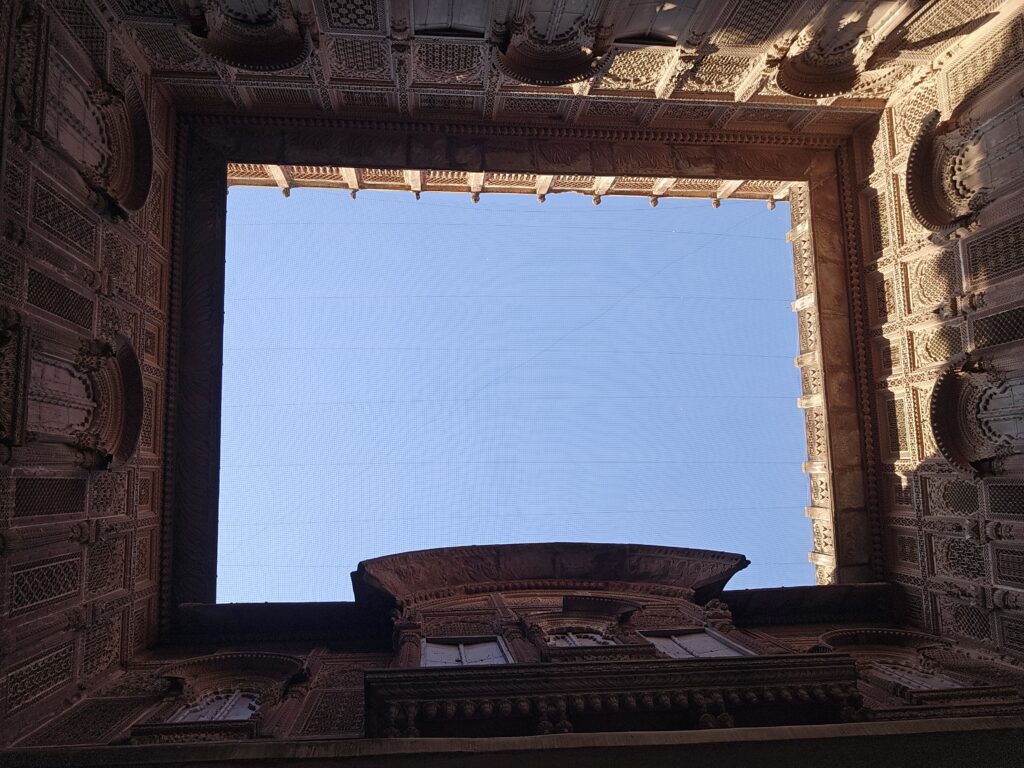
Next was Mehrangarh Fort, standing tall and resolute, watching over the Blue City from its rocky perch. Built in the 15th century, the fort has witnessed dynasties rise and fall, battles fought, and history unfold—its walls still echoing those stories. We paid ₹200 per person for entry, and the visit comfortably takes about two hours.
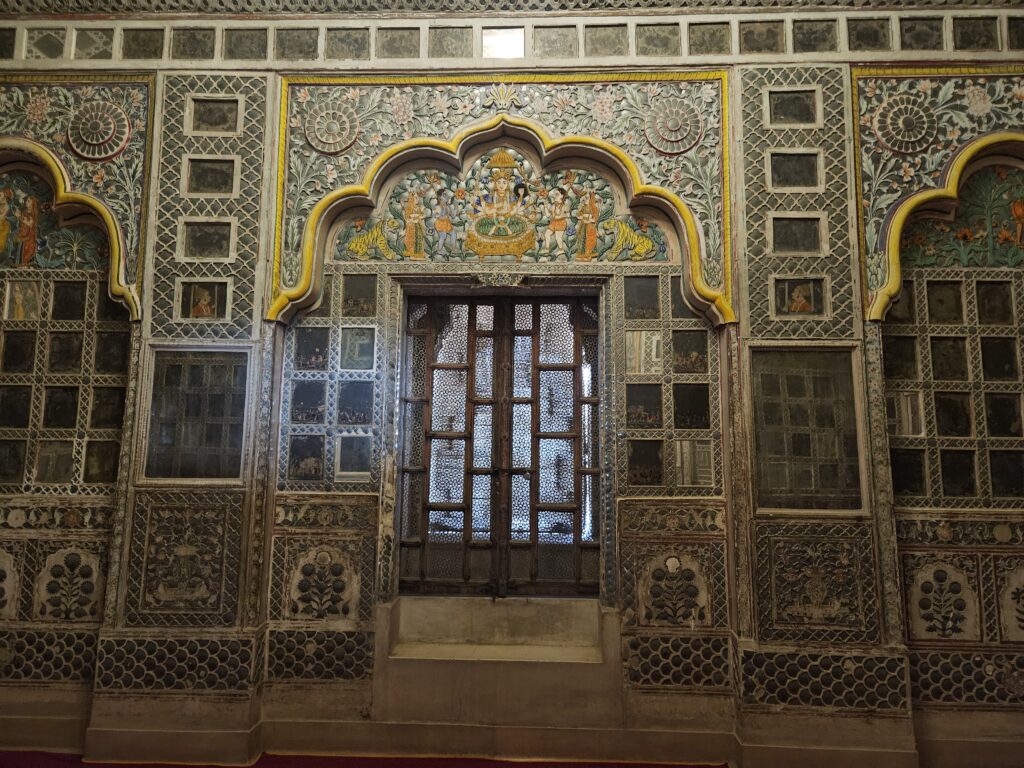
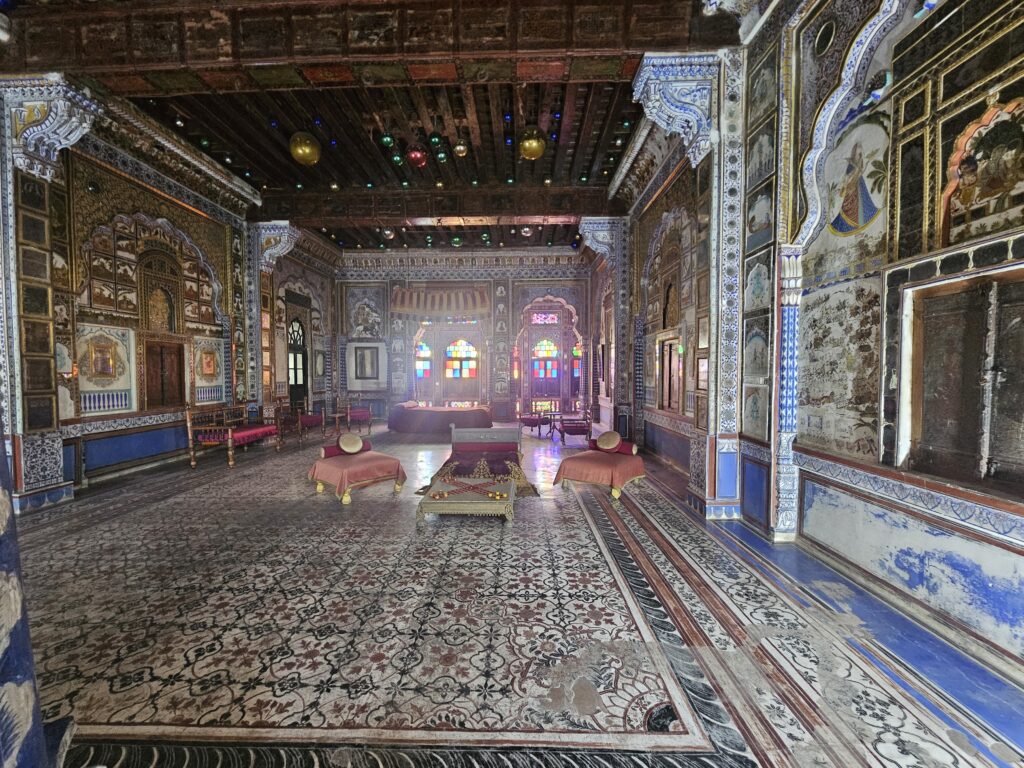
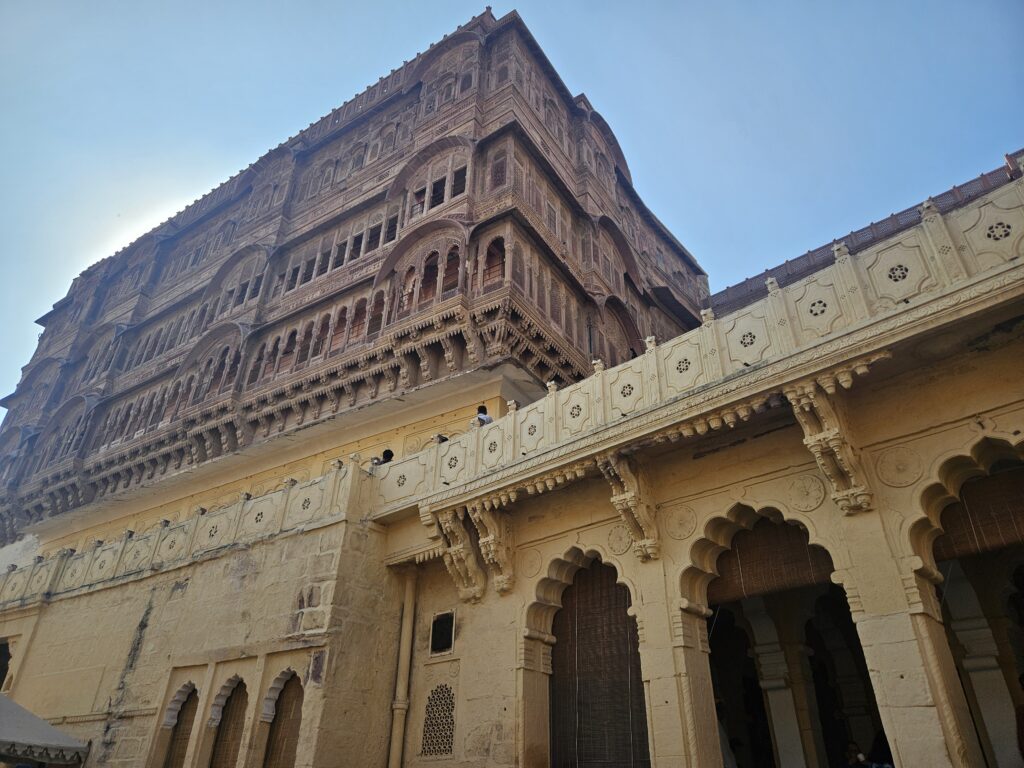
If you’re expecting an elaborate Sheesh Mahal experience, manage expectations—the mirrored chamber here is relatively small and was locked during our visit. That said, the views from the fort more than compensate.
If you’re up for a short hike and don’t mind the sun, the walk to Chamunda Mata Temple is well worth it.
Lunch followed at Gypsy, where the legendary Rajasthani thali arrives like a challenge. As much as I appreciate all cuisines, my appetite waved a polite white flag. After two days of wedding feasts—traditional, rich, and relentless—I admired the spread more than I consumed it.
Jaswant Thada
Our final stop for the day was Jaswant Thada, a serene marble cenotaph built in memory of Maharaja Jaswant Singh II. A cenotaph, unlike a tomb, is a memorial structure that honours the departed without housing remains. The place is calm, luminous, and quietly moving.
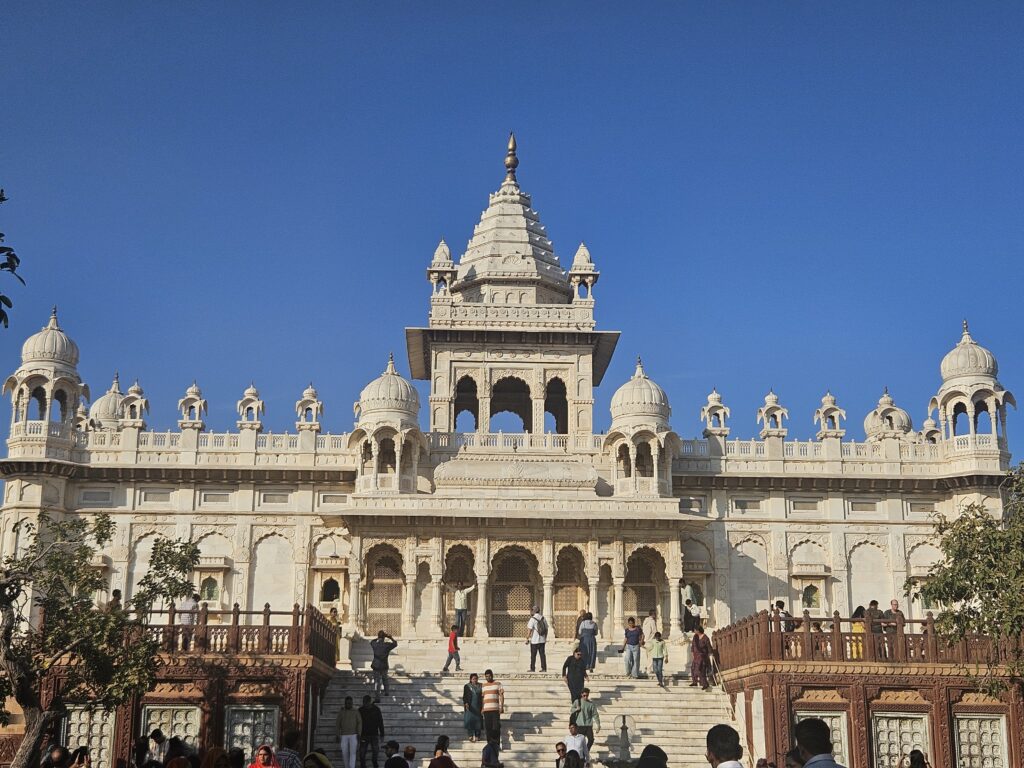
By then, my daughter’s patience had worn thin, but the setting made it worthwhile. I ended up chatting with fellow travellers—among them, a couple from Italy who were fascinated by the concept of cenotaphs and couldn’t stop admiring the marble work. Conversations like these remind you that travel isn’t just about places; it’s also about people.
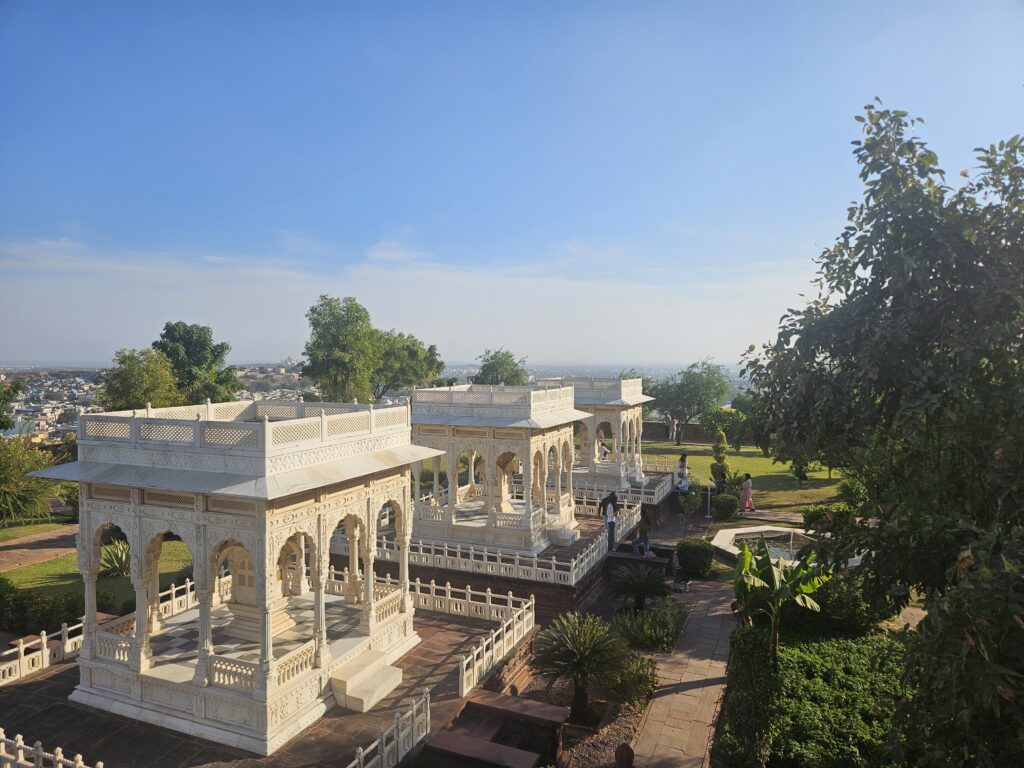
Day one could have accommodated more, but wedding commitments took precedence—and I was genuinely grateful to be part of such a beautifully hosted celebration.
Day Two: Markets, Gardens & Shoe Trauma
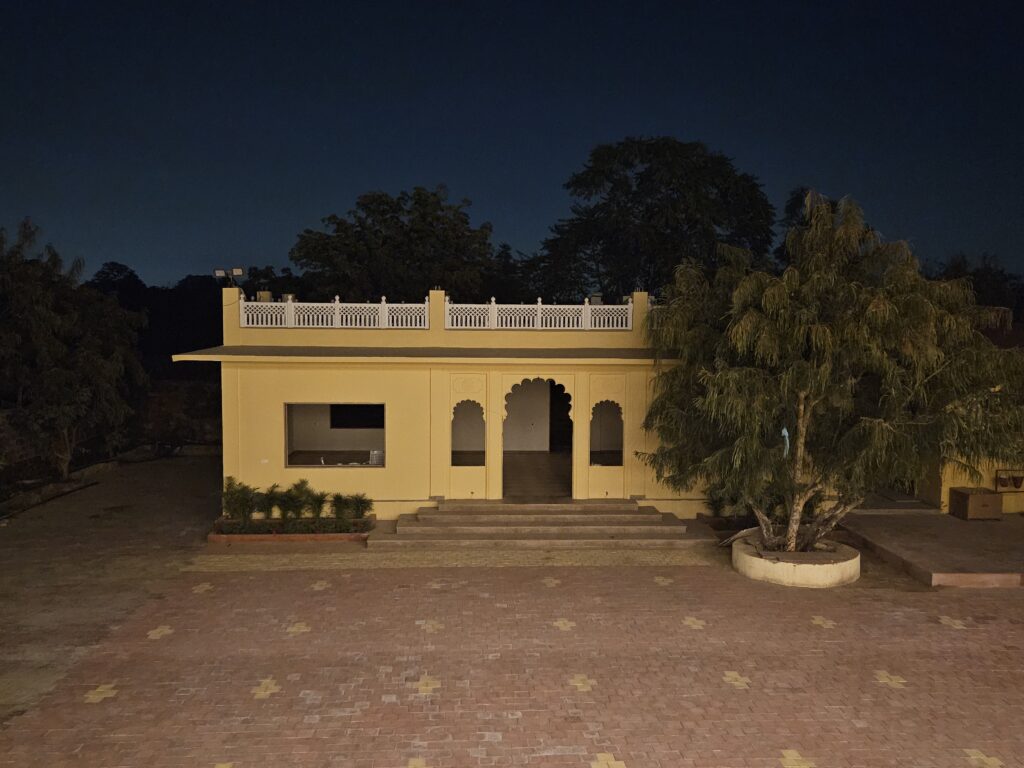
Post-wedding, we shifted base to Runway Inn Hotel, located barely a kilometre from the airport. When people say it’s five minutes away, they mean it—an actual travel miracle. The hotel is new, comfortable, and efficient, with excellent service and unbeatable proximity.
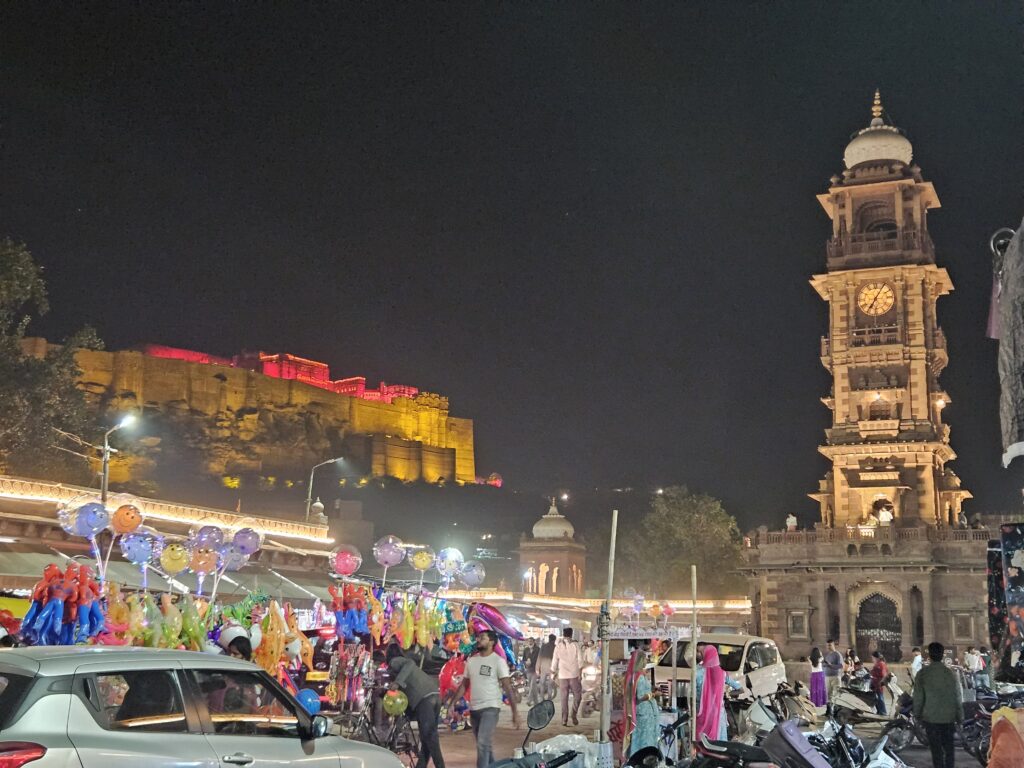
With the day free, we visited Mandore Garden, a historically rich and beautifully maintained space dotted with memorials and ruins. It’s lovely, but be prepared for substantial walking.
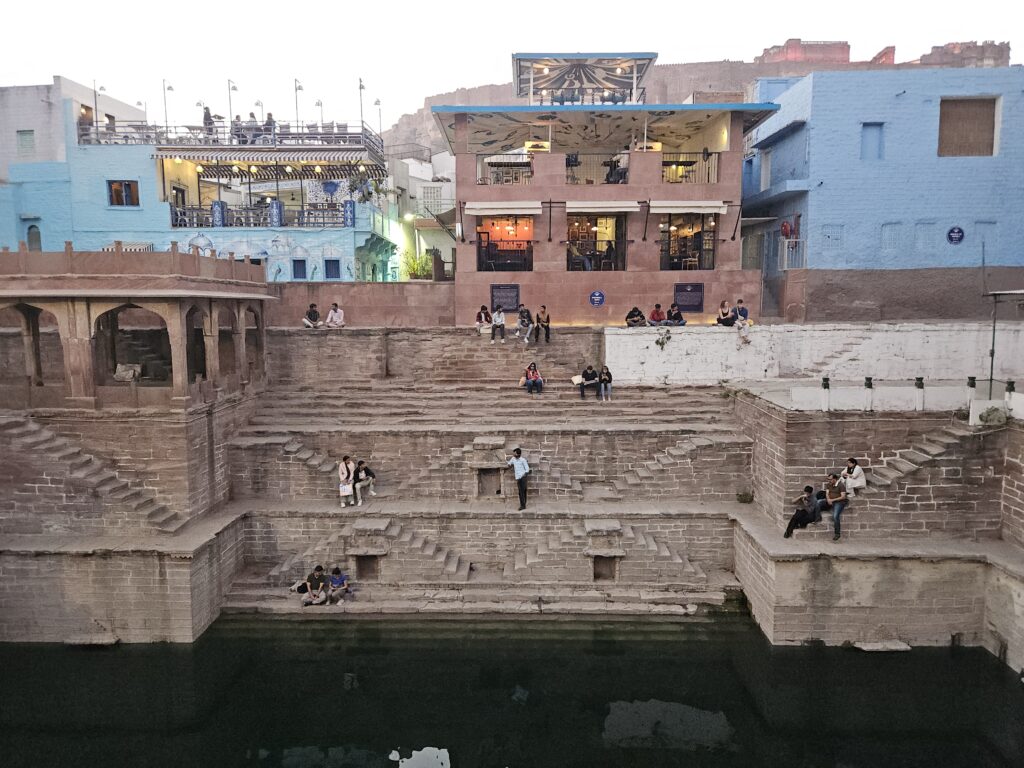
We skipped the Rock Desert trek—my four-year-old vetoed it unanimously—and headed instead to Toorji Ka Jhalra, where symmetry and history meet quietly. From there, we explored Sardar Market, because if you want to understand a city, you walk through its markets.
Souvenirs were picked up, stories overheard—and somewhere in between, my shoe sole gave up entirely, ripping itself apart in protest. After two days of heels at wedding functions, my ankles had been begging for mercy. A local cobbler appeared at just the right moment, fixed the damage, and restored order to the day.
We ended with gol gappas—sharp, tangy, and carrying a flavour distinct from what I’m used to. They were excellent. Back at the hotel, we unpacked the thoughtfully prepared lunch by our hosts: khatti kadhi, badi ki sabzi, and other local vegetable preparations that tasted like comfort, familiarity, and care.
Jodhpur is more than forts and palaces. It’s indulgent breakfasts, cracked shoe soles, unexpected conversations, winter sunshine, and meals that blur into memories. Whether you arrive for a wedding or wander in between ceremonies, the city has a way of staying with you—quietly, warmly, and with just enough indulgence to make returning to routine feel slightly unfair.
Would I go back?
Absolutely.
With better shoes, though.