#Review: Hanuman: Sacred Words for the Modern Mind
Hanuman: Sacred Words for the Modern Mind
Author: Vimlesh Kanti Verma, Sunanda Verma, Avi Asthana
Publisher: Penguin Random House
Rating: 5/5
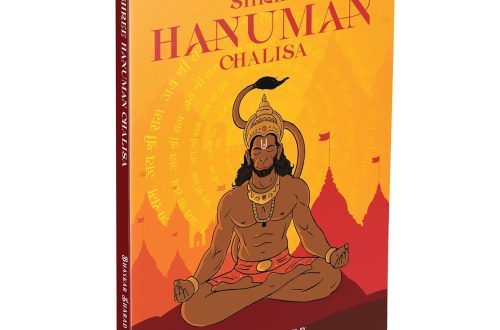
Hanuman: Sacred Words for the Modern Mind positions itself as a bridge between scripture and the contemporary reader, between devotion and accessibility. Rather than reinterpret or fictionalise Hanuman, the book gathers together the sacred texts associated with him and presents them in a format designed for modern engagement.
At its core, this is a compilation and reference work. The book brings together key texts related to Hanuman, offering the original verses alongside Hindi and English translations, phonetic transliterations, and contextual explanations. For readers who struggle to access traditional texts because of language barriers, this structure is one of the book’s strongest features. It allows the reader to move comfortably between devotion, understanding, and reflection without feeling overwhelmed.
What works particularly well is the book’s clarity of intent. It does not attempt to modernise Hanuman by reshaping his character to fit contemporary sensibilities. Instead, it focuses on making existing scripture more navigable. The supplementary sections, addressing questions such as the significance of the Sundarkanda, the origins of the Hanuman Chalisa, or the reasoning behind certain rituals, add quiet depth and help situate devotion within a broader philosophical and cultural framework.
The physical presentation also deserves mention. The layout is clean and reverent, with decorative borders and thoughtful spacing that echo traditional manuscripts without becoming ornamental to the point of distraction. This makes it suitable not only for study but also for regular reading or prayer.
However, readers looking for interpretive commentary or critical engagement may find the book limited. The text largely refrains from analysis, psychological readings, or contemporary parallels. Its tone remains firmly devotional and explanatory rather than exploratory. As a result, those seeking a more discursive or questioning approach to faith may find the experience restrained.
Additionally, while the subtitle gestures toward the “modern mind,” the book does not substantially reframe Hanuman’s relevance in present-day ethical or emotional terms. It trusts the power of the original texts to speak for themselves, which will resonate deeply with some readers and feel insufficiently adaptive to others.
Ultimately, Hanuman: Sacred Words for the Modern Mind succeeds as a carefully curated spiritual companion. It is best read not as an argument or reinterpretation, but as a resource—one that values preservation, accessibility, and reverence. For readers seeking a reliable, thoughtfully organised entry point into Hanuman’s sacred literature, this book offers exactly that.
Find this book here.