#Review: Essential India Series (Multiple Authors)
The Essential India series, with its concise volumes, is proof that brevity need not come at the cost of depth. Each book is slim, easy to carry, and yet layered with insights that invite both discovery and reflection. What stood out most to me is the writing style—lucid, conversational, and never intimidating—making these books approachable while still resonating with weight and meaning.
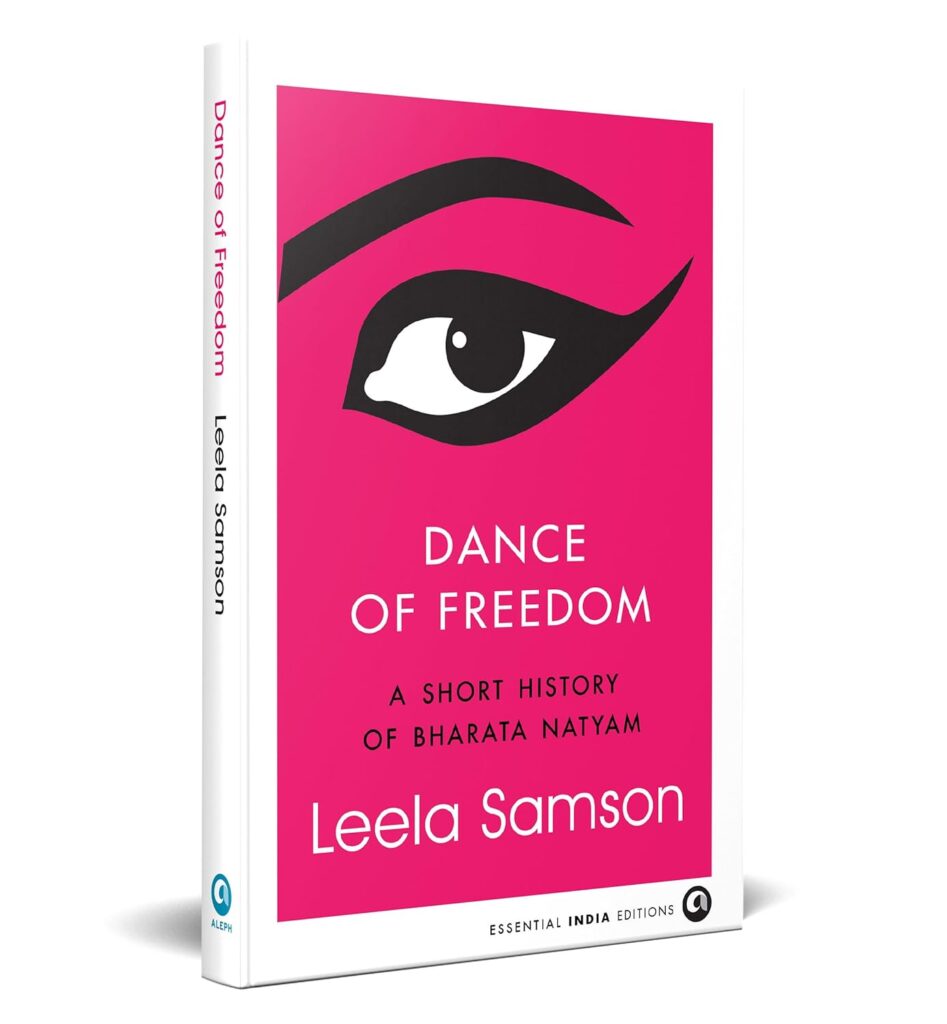
Leela Samson’s Dance of Freedom is not just about Bharatanatyam but about art as resistance, revival, and resilience. I found myself drawn to the way she weaves history, spirituality, and performance together, showing how a dance form survived marginalization and came to embody freedom. Her narrative voice is both personal and scholarly, making the book a graceful ode to culture and continuity.
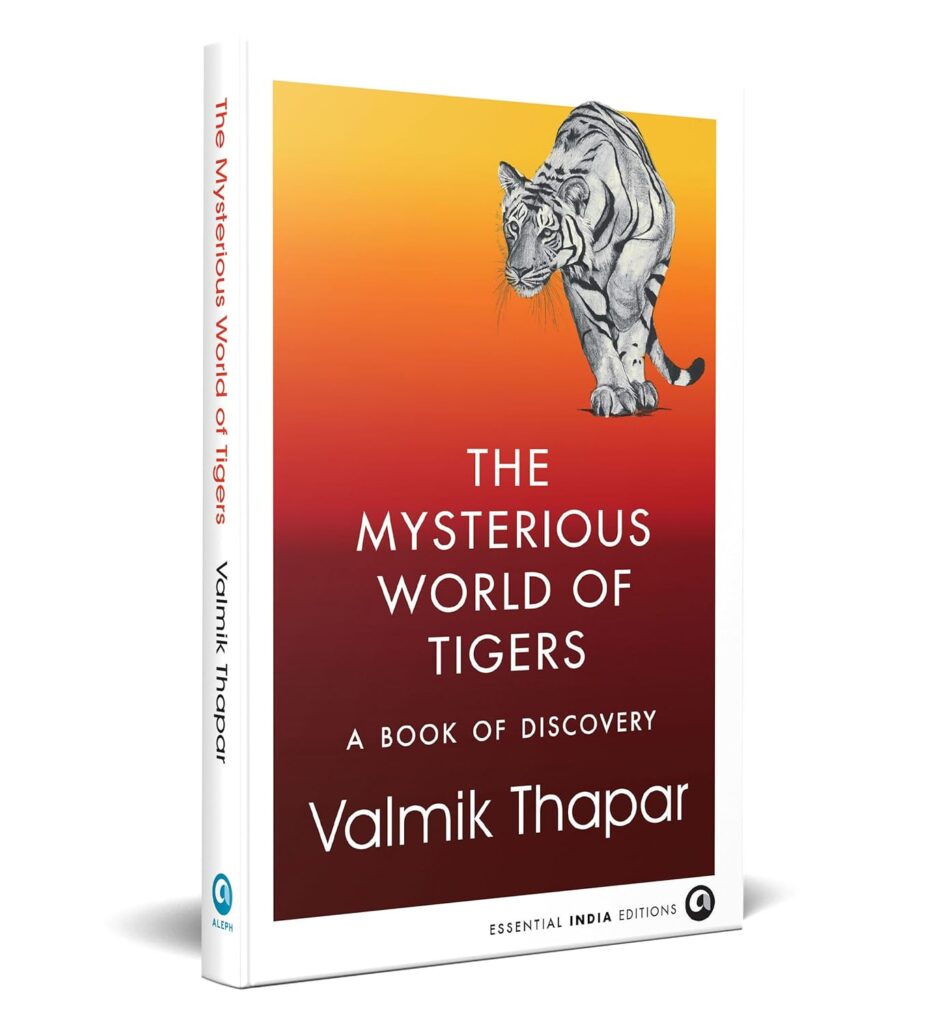
Valmik Thapar’s The Mysterious World of Tigers left me with a sense of awe and intimacy. Tigers are often painted as symbols, but here, through stories of individual big cats like Padmiri and Genghis, they emerge as personalities with habits, quirks, and rituals. The brevity of the book adds to its impact—it feels like a quick but powerful walk through the forest, where every page reveals something startling about India’s national animal.
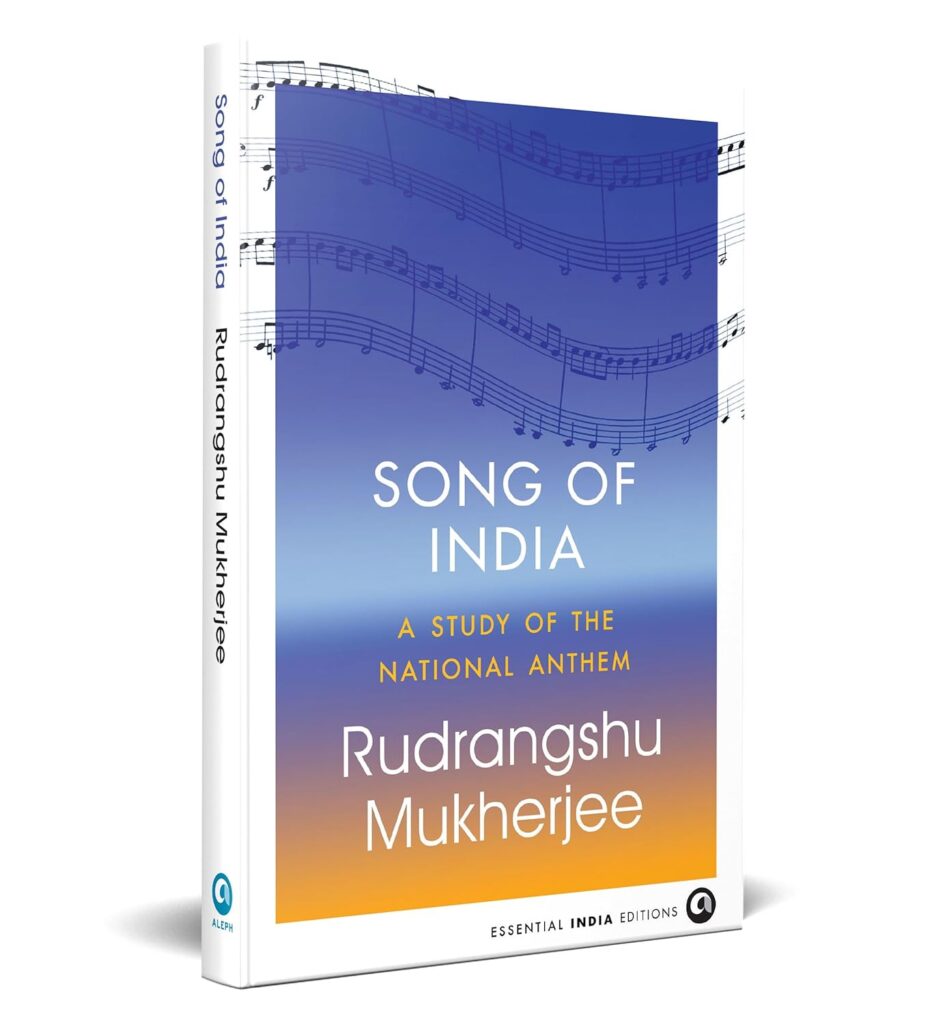
Rudrangshu Mukherjee’s Song of India resonated with me on an emotional level, because the national anthem is something we all carry with us, yet rarely pause to think about deeply. His exploration of its history, vision, and the ideals it embodies makes the anthem feel less like a ritual and more like a promise. I loved how accessible the writing is—it reintroduces us to a familiar song by unpacking its layers of meaning without ever losing its emotional pull.
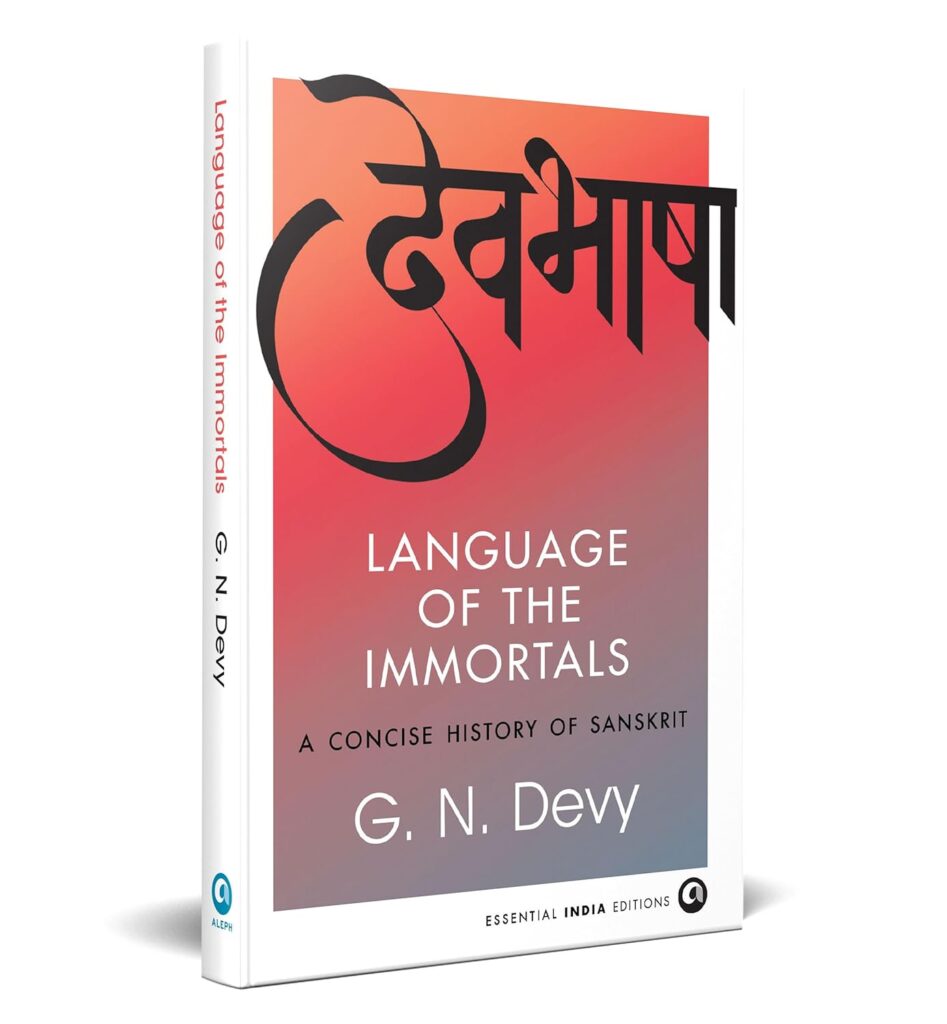
G. N. Devy’s Devbhasha: Language of the Immortals was perhaps the most thought-provoking for me. Sanskrit has always been positioned as eternal, almost untouchable, but Devy’s reflections remind us that even a revered language has politics, power, and history behind its survival. The book does not lecture; instead, it provokes curiosity and re-frames Sanskrit as a living dialogue with India’s past. Short yet substantial, it feels like an intellectual nudge that lingers.
Together, these four books form an engaging tapestry of the Essential India series—dance, wildlife, anthem, and language. They are slim volumes with big ideas, perfect for readers who want to feel informed without being overwhelmed. More than anything, they remind us that sometimes the “essentials” are what we overlook in the everyday, and revisiting them through such crisp writing feels both timely and rewarding.