If You Hated the Stranger Things Ending, You Missed the Point
Let’s get this out of the way before the internet sharpens its pitchforks: the ending of Stranger Things was not a betrayal. It was not lazy. And no, it didn’t “ruin” the show. What it did was something far more dangerous in fandom culture—it refused to be cleverer than it needed to be.
Somewhere between psychoanalysing every frame, decoding Reddit threads, and watching fan theories grow tentacles of their own, we convinced ourselves that the finale had to outsmart us. That it needed to spiral into something wildly subversive, darker, bigger, twistier. And when it didn’t—when it chose restraint over spectacle—we cried foul.
But here’s the uncomfortable truth: we had already seen this ending coming. We just didn’t want to accept it.
The most quietly bold decision the show made was removing Eleven from the core premise. According to Mike Wheeler, she’s “somewhere else.” Safe. Or at least, supposedly safe. But that’s just a theory, isn’t it? The show never hands us certainty. We don’t actually know if she’s alive. Or protected. Or merely preserved as an idea.
And that ambiguity? That’s not a flaw. That’s a choice.
The Duffer Brothers have openly stated that Eleven was never meant to be permanently integrated into the group. She was an anomaly—powerful, necessary, but never organic to that circle. Removing her isn’t abandonment; it’s narrative symmetry. Full circle storytelling doesn’t accommodate excess agents forever. Kali, Eleven, the labs, the powers—they were catalysts, not destinations.
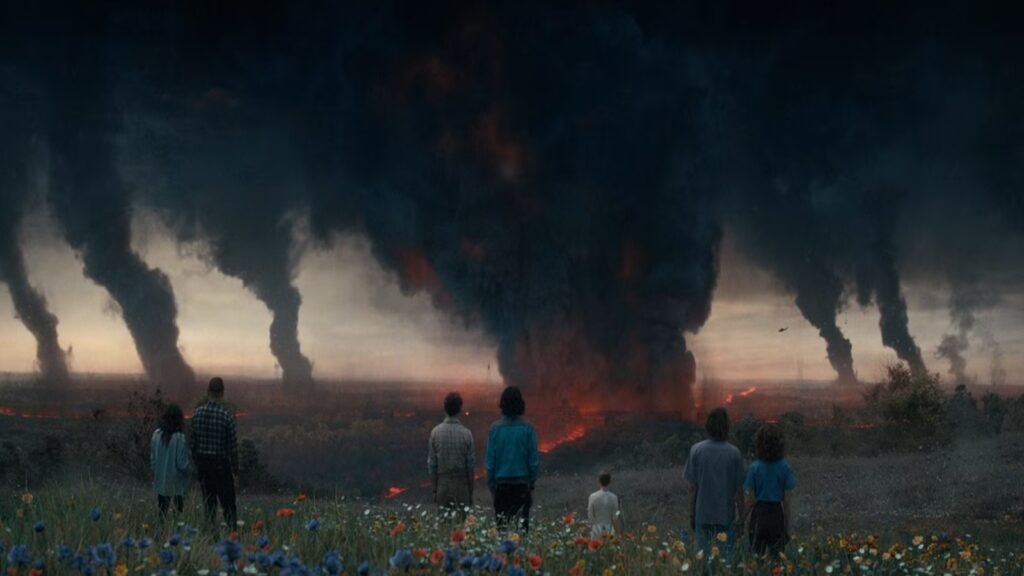
Which brings us to the structure itself.
One of the sharpest theories floating around pointed out something beautifully simple: the series begins with a group of kids playing Dungeons & Dragons, and it ends there, too. No portals. No gods. Just children returning—emotionally bruised but intact—to where it all started. That’s not anticlimax. That’s completion.
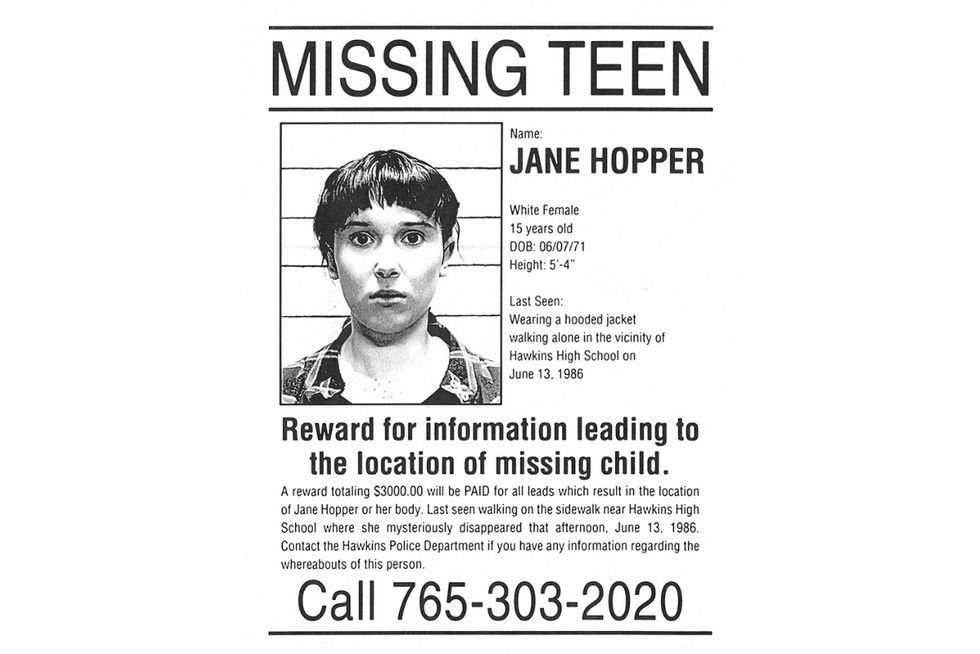
These kids paid a price far heavier than nostalgia allows us to remember. Dustin Henderson literally articulates it when he says they were robbed of the childhood they deserved simply by growing up in Hawkins. Monsters, grief, loss, and responsibility were forced on them before their voices even settled.
So yes—Hawkins owed them peace.
Not a fireworks-laced victory. Not another body count. But a quiet graduation. Families reunited. Friends sitting in the same room without fear. After seasons drenched in death and trauma, a calm ending isn’t cowardice—it’s reparative.
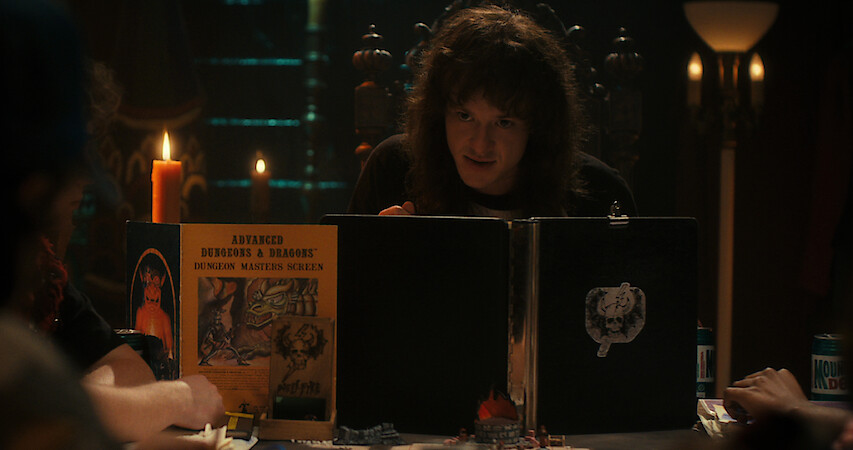
And no, I don’t advocate happy endings by default. I prefer practical ones. Earned ones. Endings that understand tone. And the title of the final episode—The Right Side Up—wasn’t subtle. After living in the Upside Down for years, this was the show’s way of saying: balance restored. The nightmare contained. Not erased—but no longer in control.
So when people say Stranger Things didn’t deliver, I disagree. It delivered exactly what it promised. Just not what fandom demanded.
Was it groundbreaking? No.
Was it explosive? Not really.
Was it emotionally coherent and thematically honest? Absolutely.
And maybe that’s what unsettles us.
Because the ending wasn’t extraordinary.
It was just fine.
And I believe that was the point.



4 Comments
Emiliano Abernathy
Every time I visit your website, I’m greeted with thought-provoking content and impeccable writing. You truly have a gift for articulating complex ideas in a clear and engaging manner.
Rebeka Swift
My brother suggested I might like this website He was totally right This post actually made my day You cannt imagine just how much time I had spent for this information Thanks
Naomi Morar
Your writing is like a breath of fresh air in the often stale world of online content. Your unique perspective and engaging style set you apart from the crowd. Thank you for sharing your talents with us.
zoritoler imol
I do not even understand how I finished up right here, but I thought this submit was good. I don’t recognize who you are but certainly you’re going to a well-known blogger should you are not already 😉 Cheers!